Resources
Where was the first wheel used? Who came up with the light bulb? Using fold out pages, this book illustrates key inventions that have changed the world and explains how these have changed our lives.
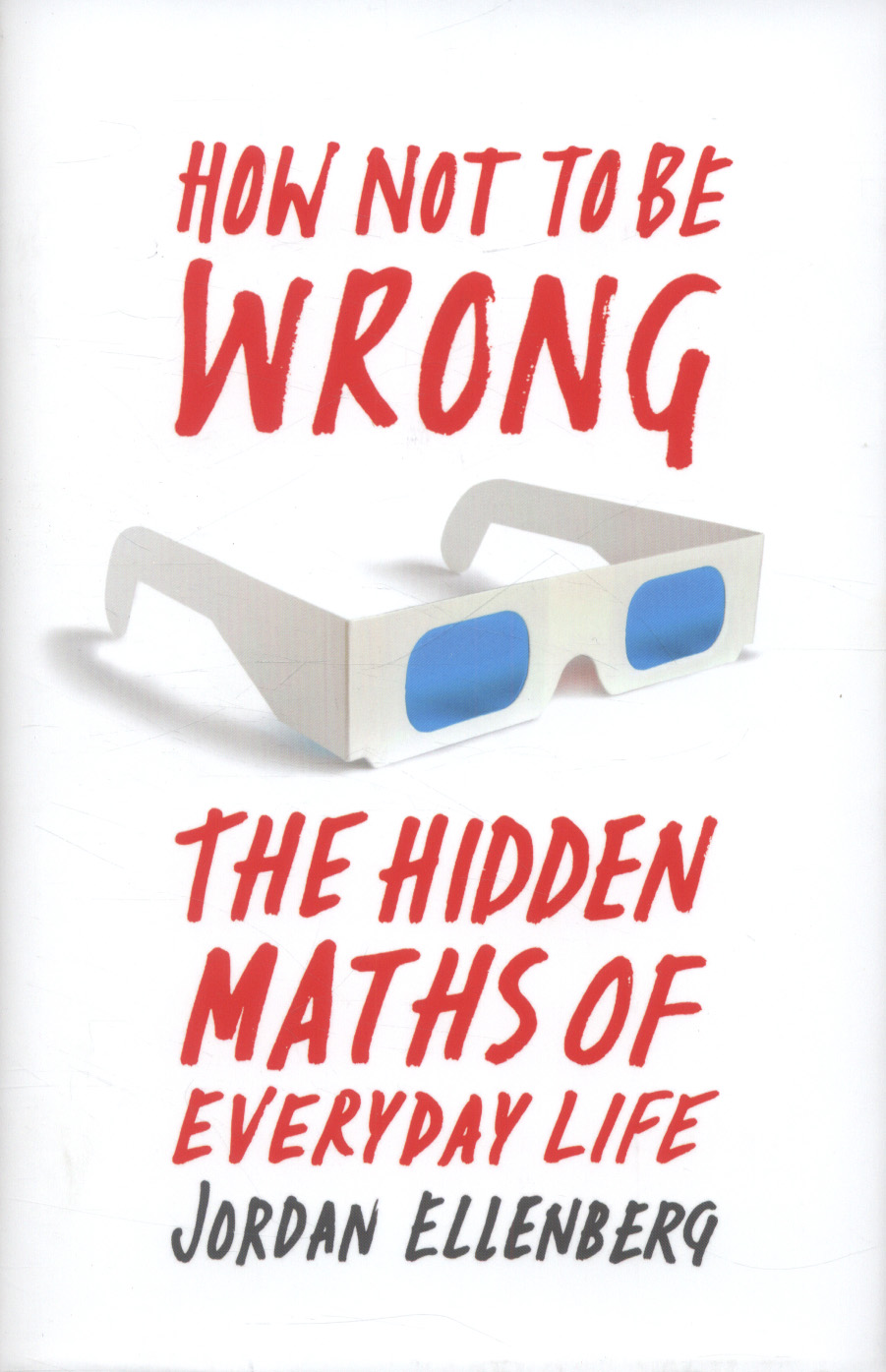
In How Not to be Wrong , Ellenberg explores the mathematician's method of analysing life, from the everyday to the cosmic, showing us which numbers to defend, which ones to ignore, and when to change...
How Nuclear Fusion Works
This film, from the Institute of Mechanical Engineers, explains the process of nuclear fusion. Culham Centre for Fusion Energy is one of the world's leading fusion research laboratories, where scientists and engineers are working with partners around the globe to develop fusion as a new source of clean energy for...
How often will a heatwave hit the UK?
This lesson, linked to the Intergovernmental Panel on Climate Change (IPCC) report, aims to answer the question 'How often will a heatwave hit the UK?'
Students examine datasets to explore the frequency with which hot events occur and are required to interpret and draw box and whisker plots. Students are...
How old are they?
This resource consists of four short tasks.
Students begin by writing expressions about the individual ages of three people using information from the task. Additional information is then given about the total age of the three people and the task is to find out how old each person is. A final task involves...
How old is the Earth
This video shows people’s misconceptions regarding the age of the Earth. It shows how imagining the difference between a million and billion is very difficult for people to do.
The video uses an arm span to model the age of the Earth and shows how recent in the Earth’s history the evolution of more complex...
How Old?
Using the data from CensusAtSchool 2006/2007, this data analysis resource looks at trends in life expectancy in populations. Students consider both the primary data collected from CensusAtSchool and secondary data about life expectancy and major causes of death. A plenary asks students to consider what they have...
This series aims to provide clear, detailed data about how the human body works, describing how the different parts of a particular system work and how that system is affected by disease, diet and exercise and how medical science and knowledge can be used to keep the systems working effectively.
How Plants Grow
In this topic from the Association for Science Education, students study the life cycles of plants and the adaptation of plants to different environments. The topic allows classes in schools across the world to exchange information about plant cultivation. The topic also provides a context for studying plant...
How Polluted?
This field study resource pack encourages students to act as environmental scientists to assess the ‘health’ of a heathland habitat. The resource contains three separate activities that students can complete, depending on the time available and suitability of the site:
• Measuring nitrogen pollution in the...