Resources
This beautifully illustrated book covers a period of time from the creation of the Universe to the evolution of modern man. It covers how the Earth and Moon were formed, the rock record and fossils which provide evidence of how the Earth has changed over time including the organisms that have thrived and become...
How Light Travels
This Teachers TV Lesson Starters video can be used to illustrate how light comes from a source. Using a range of studio lighting effects, children can be encouraged to discuss coloured lights, the production and manipulation of light.
In a warehouse, eight moving lights used in rock concerts and theatres...
How Liquids Affect Our Teeth
This short film clip provides primary teachers with background knowledge on the topic of healthy eating. It demonstrates an effective way of observing the effect of different liquids on teeth. Eggshells representing teeth enamel are placed in water, cola and orange juice and the effects over time are recorded....
Part of a series of science textbooks designed for the National Curriculum. Targeted at the average and below average ability student, it also includes extension materials to Level 7 and higher.
This student's book provides information, practical investigations and questions.
How long does it take for the Earth to go around the Sun
This video highlights the misconceptions people have about earth orbiting the sun. 30% of Australians think it is one day.
How long is a Metre?
This three minute video, from Twig World, explains that the metre is the base unit for measurement for most of the world, but how was it agreed how long a metre should be? The need for standardised units of measurement is discussed and the value of the metre being one ten millionth of the distance from the North...
Four fascinating insights into the world of measurement, especially useful for investigative science at key stages 2 and 3.
- Measurement in action
- Collecting and recording evidence, data and information
- Presenting results to others
- Knot problems
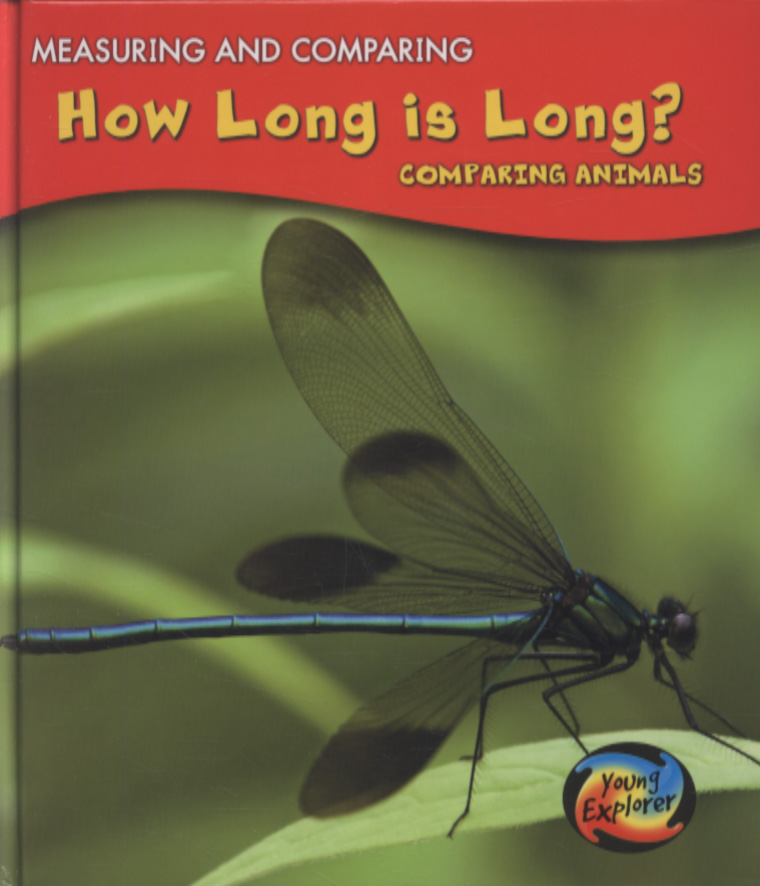
This series uses childfriendly points of reference to explore scientific and mathematical measurements.
The books present numerical data in a visual way that makes it easier to comprehend.
Each book...
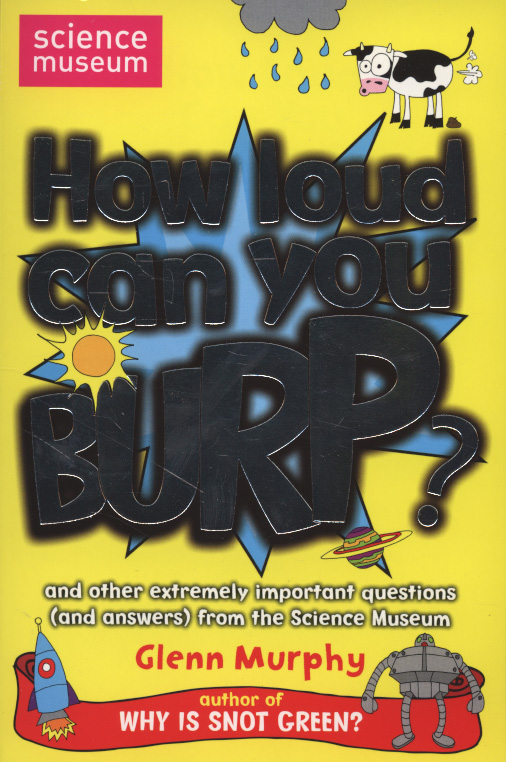
How loud can you burp? Could we use animal poo to make electricity? Why is water wet, and is anything wetter than water? What's the deadliest disease in the world? What are clouds for? What's the difference between a...
How Machines Work uses pop-ups and illustrations to demonstrate the technology of six simple machines.