
Resources
How Fast Does a Root Grow?
In this activity, seeds are grown in Petri dishes so children can make direct observations of the roots as they grow. The activity requires measurements over a number of days, so provides an opportunity to link to numeracy by working out growth rate and representing...
How fast is London
Students use data from different websites to calculate the average speeds for various types of transport and represent these in graphic form to be able to see the relationship between the equation for speed and the slope of a distance time graph. They will begin to discover the concept of relative motion between...
How Fast Should Your Buggy Be?
One of the units from the Nuffield Primary Solutions in Design and Technology. Children design and make a controllable, battery-powered toy vehicle using card, wood, found materials, mechanical and electrical components.
The toy created can be based on an actual vehicle, on a vehicle from a book or film, or...
How frequent are earthquakes
In this activity students use functions and graphs to model a relationship between the magnitude of earthquakes and how...
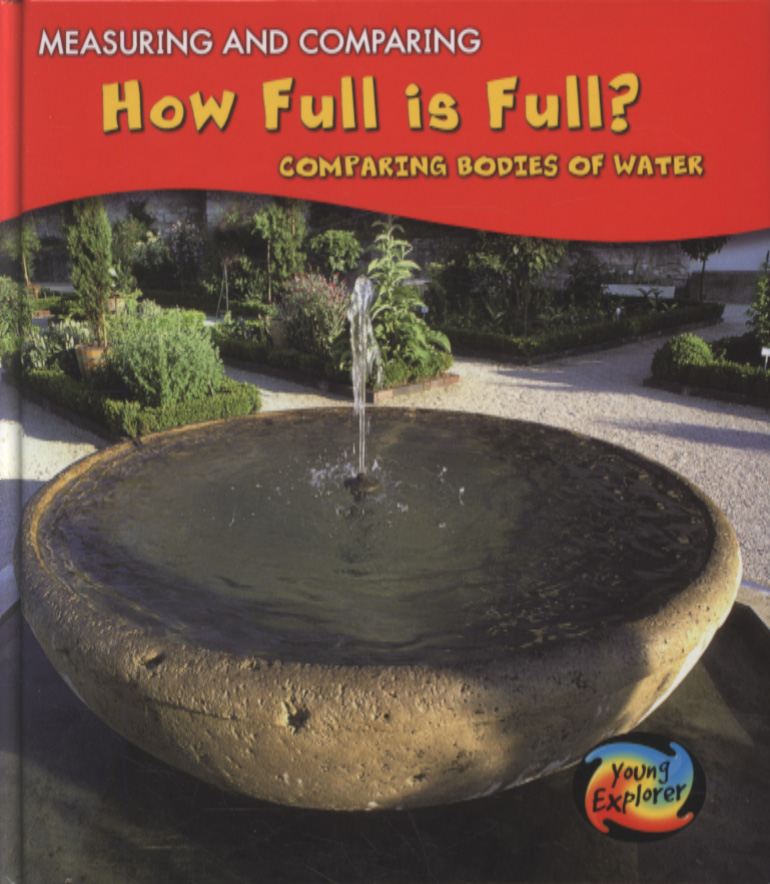
This series uses child friendly points of reference to explore scientific and mathematical measurements.
The books present numerical data in a visual way that makes it easier to comprehend.
Each book...
This item is one of over 25,000 physical resources available from the Resources Collection. The Archive Collection covers over 50 years of curriculum development in the STEM subjects. The Contemporary Collection includes all the latest publications from UK educational publishers.
How Healthy Are Your Trees?
This activity is designed to get students thinking about plants as living organisms that have to survive, reproduce and defend themselves against disease. Students begin by cataloguing the health of trees in the area, and can then follow this with a statistical investigation, as suitable for your location and the...
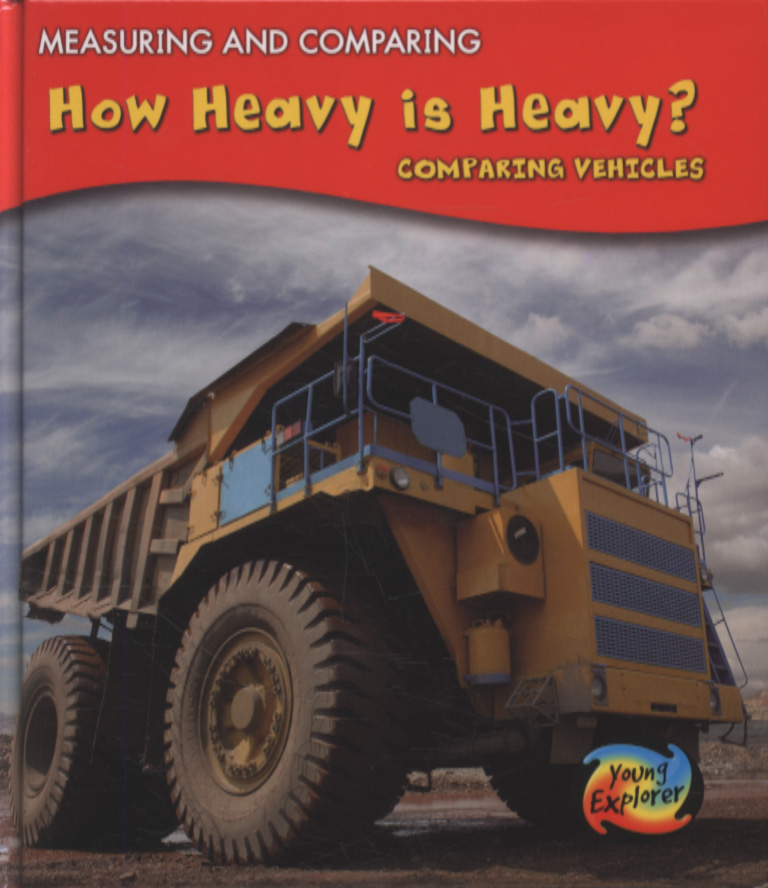
This series uses child friendly points of reference to explore scientific and mathematical measurements.
The books present numerical data in a visual way that makes it easier to comprehend.
Each book...
How high will it go?
In this activity pupils calculate the height of a released balloon using a clinometer and trigonometry. This is one of a series of resources from the IET designed around the theme of the future of flight with the purpose of developing pupils knowledge and skills in design technology, engineering and mathematics....
This item is one of over 25,000 physical resources available from the Resources Collection. The Archive Collection covers over 50 years of curriculum development in the STEM subjects. The Contemporary Collection includes all the latest publications from UK educational publishers.