
Resources
How does a transistor work
This video explains how n-type and p-type semiconductors can be used to create a transistor.
The explanation
n-type semiconductors are made from silicon that has been doped with phosphorous. The additional electron from the P can be used to form a current. P-type semiconductors are...

This series explains complex geographical and scientific processes through everyday examples. Uses clear diagrams to help explain processes.
How does a wing actually work?
This video begins by showing how Bernoulli’s law can explain wing lift. It then introduces ideas that cannot easily be explained using the law, for example, why can planes fly upside down? Why do flat winged planes fly?
Newton’s 3rd law is used to offer a different explanation, i.e., as long as air is...

How does Light Affect Growing Plants?
This activity investigates what conditions plants need to grow and why lack of light alters plant growth. It is part of a larger resource which looks at plants at primary level, ...

These titles explore the function, appearance, and purpose of some important parts of the human body. Each book uses simple text and vivid photographs to explain one organ and its role in a healthy life.
...
How Does Nature Convert Energy?
In this video Janine Benyus, co-founder of The Biomimicry 3.8 Institute, describes a surprising adaptation of the pistol shrimp. The pistol shrimp has a very large claw and uses this to fire a bubble and stun its prey. The shrimp can close its claw so quickly that a vacuum is created behind the bubble. The vacuum...
How Does Nature Cool?
In this video from The Biomimicry 3.8 Institute, Sherry Ritter describes how the red kangaroo stays cool in temperatures of up to 45°C. The kangaroo licks its wrists, where there are a large number of blood vessels close to the surface, and this cools through evaporation. Sherry asks whether we could learn from...
How Does Nature Sense?
Adelheid Fischer, Biomimicry Fellow and Coordinator of InnovationSpace at Arizona State University, explains how she finds inspiration in the star-nosed mole. The mole does not use its unusual nose for smell, but as a touch sensing organ. The mole can also smell under water by sending out bubbles to catch odour...
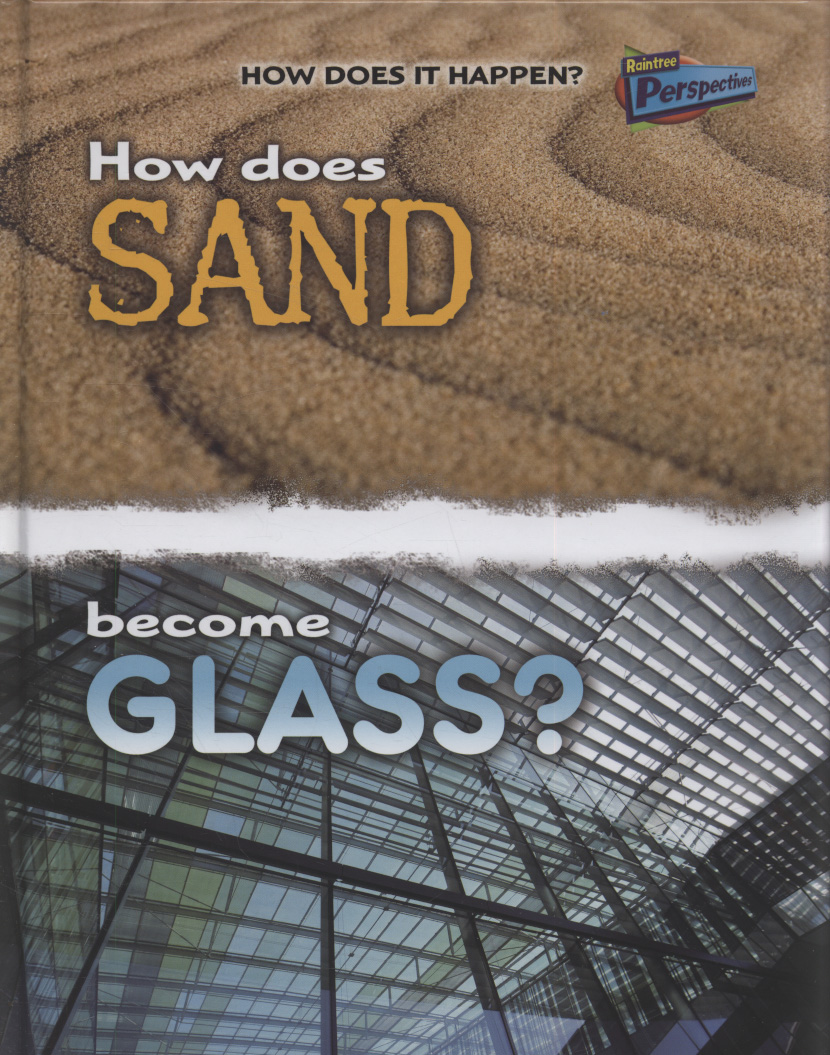
This series explains complex geographical and scientific processes through everyday examples. Uses clear diagrams to help explain processes.