Resources
Chocolate money
Europeans love chocolate - we eat over half the world's supply! The bad news is that we are eating more cocoa than can be produced and soon chocolate may become a rare and precious commodity as farmers struggle to meet demand. In this activity students apply their knowledge of pollination to discuss why cocoa...
This item is one of over 25,000 physical resources available from the Resources Collection. The Archive Collection covers over 50 years of...
Choices
From the British Nutrition Foundation, in partnership with the Agriculture and Horticulture Development Board (AHDB...
This item is one of over 25,000 physical resources available from the Resources Collection. The Archive Collection covers over 50 years of curriculum development in the STEM subjects. The Contemporary Collection includes all the latest publications from UK educational publishers.
Cholera: Death by Diarrhoea *suitable for home teaching*
Cholera is an infectious disease caused by the bacterium Vibrio cholerae. There have been seven worldwide disease outbreaks or pandemics since 1817, killing millions of people and infecting millions more. This resource, from the Microbiology Society, charts the history of the disease and investigates the causes,...
Choose Earth science!
This leaflet sets out the wide range of fields in which geoscientists work and how they play an essential role in many aspects of life, from economics to health.
Crisps for breakfast? Children make their own decisions about the most appropriate choice of food for different meals and use stickers to fill the empty plates in this quirky board book.
Choosing a career in wind, wave and tidal energy
This resource from Renewable UK illustrates the wide range of careers available in the UK's renewable energy industry.
This item is one of over 25,000 physical resources available from the Resources Collection. The Archive Collection covers over 50 years of curriculum development in the STEM subjects. The Contemporary Collection includes all the latest publications from UK educational publishers.
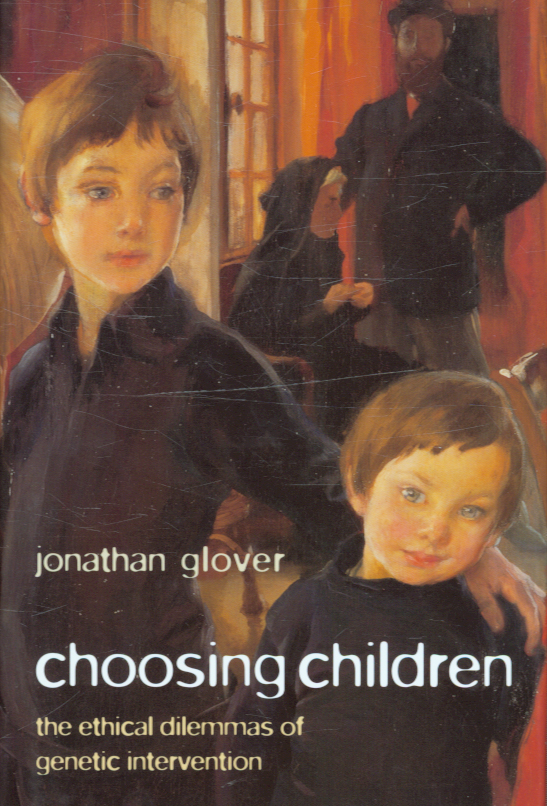
Progress in genetic and reproductive technology now offers us the possibility of choosing what kinds of children we do and don't have. Should we welcome this power, or should we fear its implications? There is no...