Resources
This item is one of over 25,000 physical resources available from the Resources Collection. The Archive Collection covers over 50 years of curriculum development in the STEM subjects. The Contemporary Collection includes all the latest publications from UK educational publishers.
Misprints do hapen
Two proof-readers are checking separate copies of the same manuscript. They each find a different number of errors. The number of errors found by both is given and the task is to calculate how...
Missing Numbers
This resource contains five activities in which students are presented with a situation in which a digit, a number or an operator is missing. Students are required to complete the calculation.
Missing Digits 1: Students are presented with a series of two digit column additions and...
Mission 1: Newton in Space
Produced with the input of experts and teachers, this 17-minute video from ESA illustrates how simple experiments, in space and on Earth, can be used to investigate Newton's three laws of motion. The video also examines the difference between mass and weight. The video uses demonstrations from two astronauts on...
Mission 2: Body Space
The ESA DVD has been developed with the support and input from experts, teachers and their pupils from across Europe. Scenes for ISS DVD Lesson 2 were filmed during the DELTA Mission (2004) of Dutch ESA astronaut André Kuipers. The video looks at the effects of a weightless environment on the human body: how our...
Mission 3: Space Matters
This programme from ESA switches between scenes filmed in space and on Earth to demonstrate basic scientific principles in ways that children can relate to. Filmed during the Eneide Mission in 2005, ESA astronaut Roberto Vittori and Russian cosmonaut Sergei Krikalev are shown investigating the nature of matter...
Mission 4: Space Robotics
This DVD lesson from ESA takes a look at aspects of robotics in novel environments which compliment the traditional laboratory or classroom environment. Practical demonstrations performed in space and on Earth introduce and explain several aspects of robotics, specifically robotic movement mechanics, sensors,...
Mission control
On Earth, we use a variety of cues to sense the position of our bodies, while stationary or moving. We use touch and pressure cues (such as weight on our feet) and visual cues (such as the location of the ceiling and floors) to determine orientation.
In an environment with less gravity, the brain needs to...

Mission Possible is an inquiry-based elementary school educational resource. Probes, landers, and exoplanets stimulate learning in these lessons....
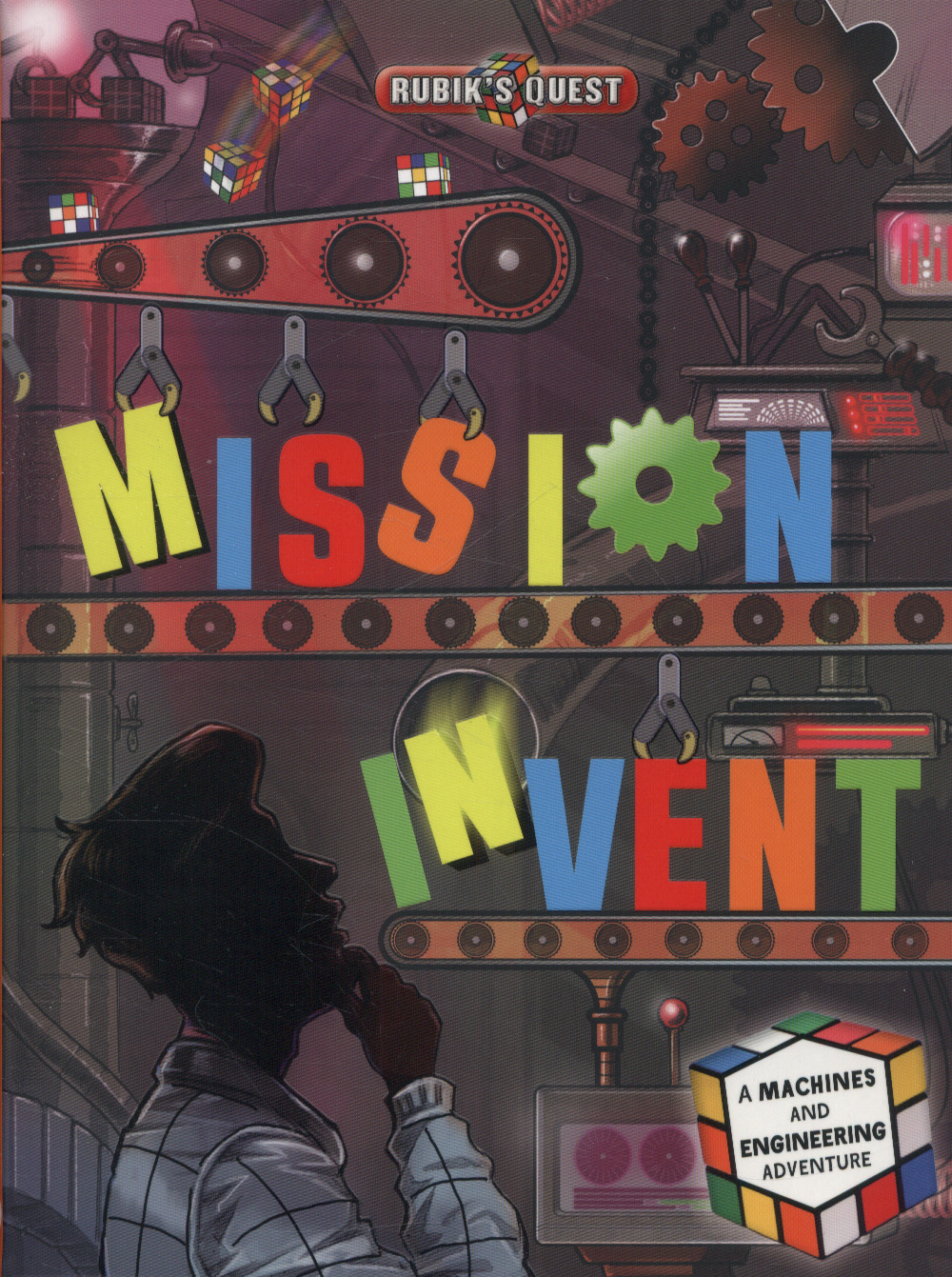
Mission Invent explores machines and engineering. Readers must use their problem-solving skills in a twisting-turning world of toys and puzzles. You love being an apprentice designer at Toy Towers, where they make...