
Resources
Classification Activity Pack
This resource provides a range of indoor and outdoor practical activities, suitable for students across the primary phase. Activities are designed to help children identify and name a variety of common plants and animals and link to work on minibeasts, habitats and classification. Many of the activities are cross-...
'Straight forward with science' offers a straightforward, but fun, approach to key science learning. Each book explores basic scientific principles and shows them in action, while simple activities and experiments bring the science to life.
'Classification and evolution' describes how we group, or classify,...
Classification and evolution - delivery guide
This teaching guide provides a range of ideas and resources for teaching about classification and evolution at A level. Curriculum links include classification, binomial, kingdom, phylogeny, and evolution.
Although produced to support the teaching of OCR AS and A Level Biology A specifications (H020 and H420...
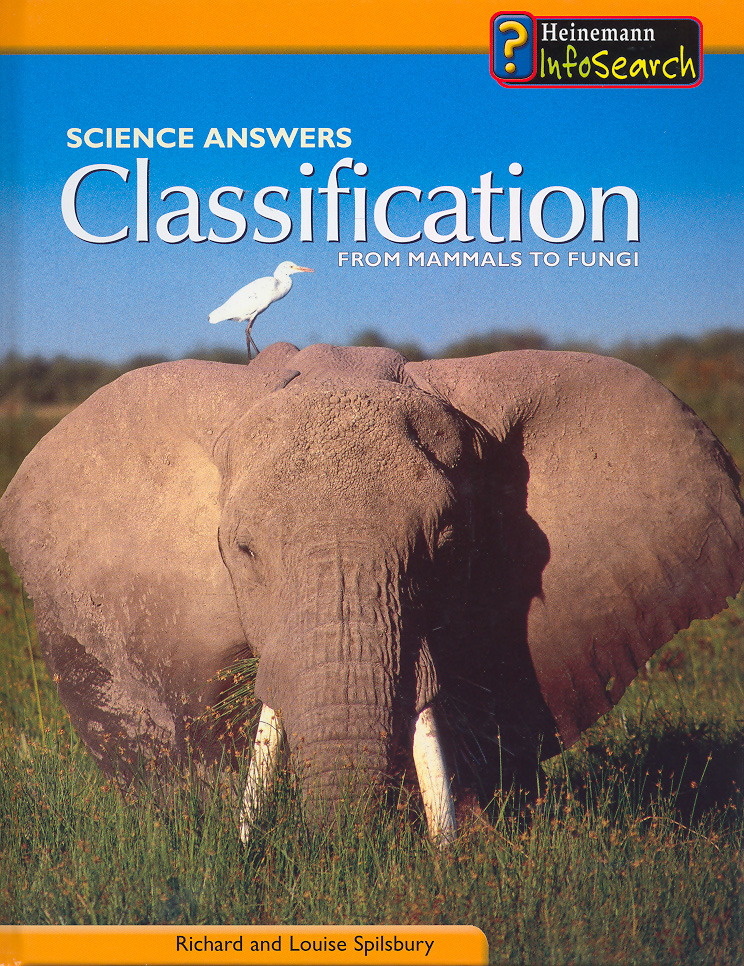
One of a series of science titles aimed at Key Stage 2, this book looks at the classification of living things into various orders, genera, species, and so on.
This item is one of over 25,000 physical resources available from the Resources Collection. The Archive Collection covers over 50 years of curriculum development in the STEM subjects. The Contemporary Collection includes all the latest publications from UK educational publishers.
Classifying equations of parallel and perpendicular lines
This resource develops the concept of exploring the relationship between the slopes of parallel and perpendicular lines. There is a particular focus on finding lines that are parallel and perpendicular by using their equations. The work extends into identifying and using intercepts.
Students are presented...
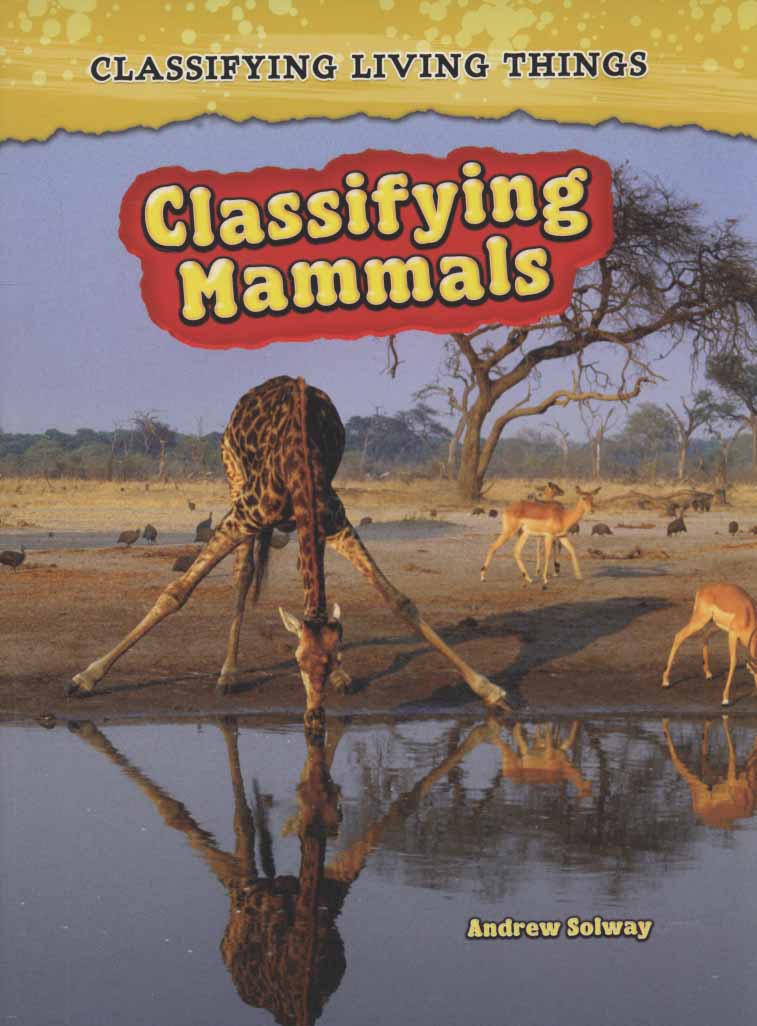
The books in the 'Classifying living things' series looks at how and why we group animals. Each book starts with an introduction to classification, explaining why grouping organisms helps us to understand the natural...
Classifying materials
These diagnostic questions and response activities (contained in the zip file) support students in being able to:
-
Use properties to identify that an object is made of metal.
-
Use properties to identify that an object is made off a ceramic.
-
Recognise that polymers...
This series, designed for key stage 3, caters for all abilities through an easy-to-use format. It encourages exploration and investigation, relating science to everyday situations and features step-by-step guides to...