
Resources
Stargazing is a lovely cross-generational activity who wouldn't be fascinated by...
The 'Start-Up' series has been rewritten to emphasize the cross-curricular teaching potential of each title. They provide notes and activities, spread by spread, highlighting ways in which learning can be extended...
The 'Start-Up' series has been rewritten to emphasize the cross-curricular teaching potential of each title. They provide notes and activities, spread by spread, highlighting ways in which learning can be extended...

A perfect introduction to design and technology for young children, this new series has been developed specifically to support the units in the Scheme of Work at Key Stage 1. Key information is presented through a...
Fully illustrated, the books in this series encourage children to understand the science behind everyday objects and events. Written for children working at Key Stage 1 they fit into the schemes of work of the...
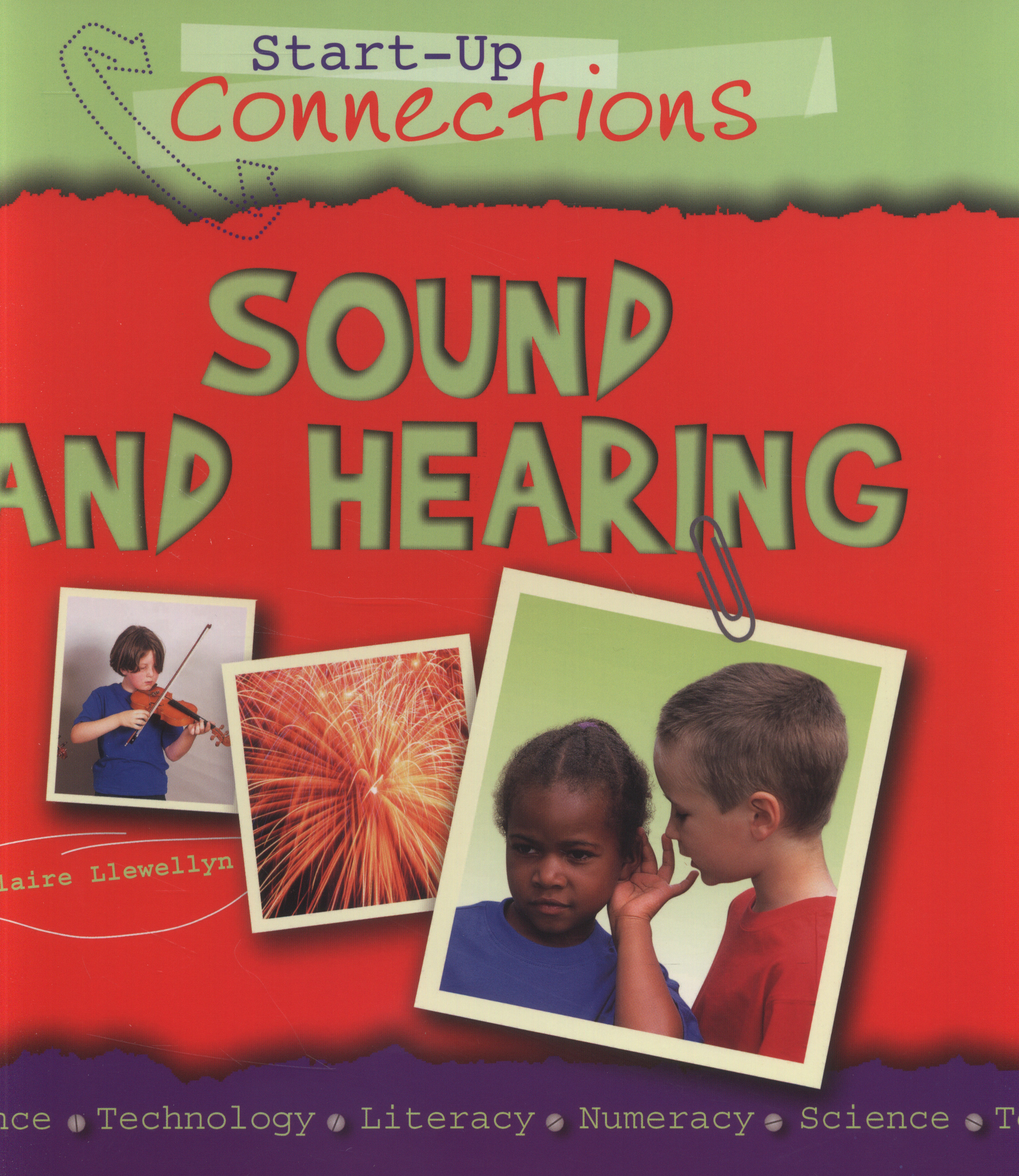
Fully illustrated with colour images, the books in this series encourage children to understand the science behind everyday objects and events. Written for children working at Key Stage 1 they fit into the schemes of...
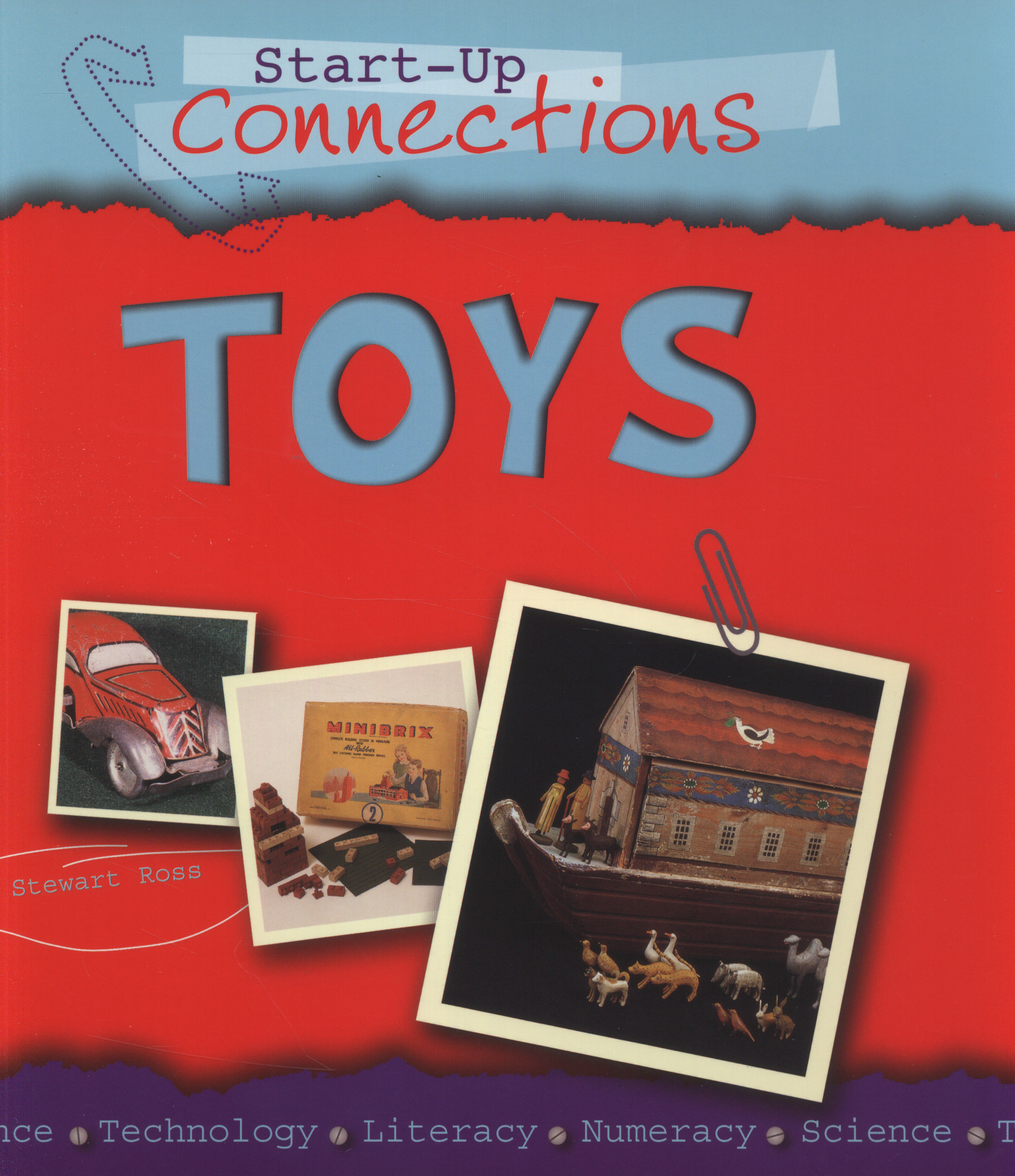
'Toys' introduces children to toys from the past and present day, exploring topics such as how toys move, how they are made and the materials they are made from. The suggested activities link primarily with literacy...
This item is one of over 25,000 physical resources available from the Resources Collection. The Archive Collection covers over 50 years of curriculum development in the STEM subjects. The Contemporary Collection includes all the latest publications from UK educational publishers.
Starter 1: What Animals?
This resource explores the types and number of animals used in research. The activity is best conducted with a whole class or as group work. The resource includes a lesson plan for the teacher. The resource was produced by Nuffield Council on Bioethics.
Starter 2: What Do We Know?
In this activity, students are required to question the assumptions they may make when presented with visual images of animal research. They need to consider an image carefully before they come to any conclusions about what is happening to the animal. The activity is best conducted in groups.The resource, from the...