
Resources
This is an exploration into the role of the skin and how it protects our insides, how we process touch and what skin colour is exactly. It also teaches what body hair and nails are made of, why we sweat, how our muscles work, how our bones work together with the rest of the body and many more facts.
This item is one of over 25,000 physical resources available from the Resources Collection. The Archive Collection covers over 50 years of curriculum development in the STEM subjects. The Contemporary Collection includes all the latest publications from UK educational publishers.
Meteorites regularly hit Earth, although most go undetected. Occasionally a big meteorite collides with Earth and when it does, it can cause devastation. Lucie Green and Chris Lintott visit the Natural History Museum to look at its meteorite collection and discuss the recent Russian impact. Jon Culshaw goes on a...
Reflector telescope with EQ1 mount.
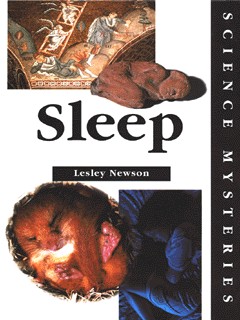
This volume is part of a series which looks at the quest for scientific solutions to the mysterious, unanswered questions which surround us in our everyday lives. Why do we need to sleep? What happens when we sleep?...
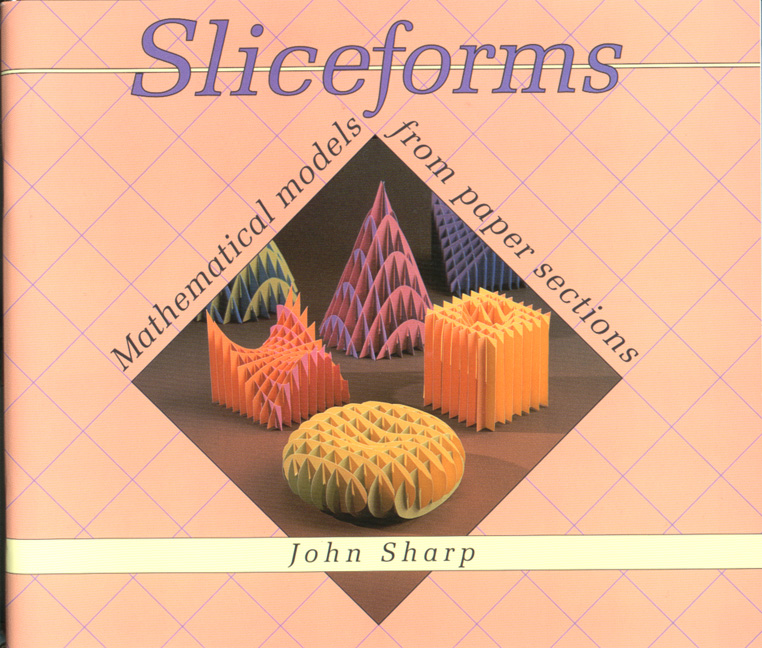
A collection of paper sliceform models made from intersecting sets of parallel planes which slot together to generate interesting three-dimensional surfaces. The book contains a varied selection of models to cut out...
Sliders, Wheels and Axels
This STEAM activity gives pupils the opportunity to explore engineering through the design and creation of their own moving part aircraft. Pupils have the opportunity to work as part of a group to carefully design their own aircraft and think hard about how to create moving sliders, wheels and axels, before...
Slideshows for Science
Produced by Becta, these case studies illustrate how information communication technology (ICT) can be used to enhance teaching and learning in science.
This case study looks at how students at Grange Academy worked with interactive slideshows to demonstrate ideas and concepts, present their work and check...
Sliding filament theory
|
This animation shows muscle contraction and the sliding filament theory |
Sliding Objects
This video from Teachers TV introduces Year Four children to the forces behind sliding objects, using a game of tug-of-war.
This starter clip demonstrates friction and sliding objects and could be used to prompt discussion when introducing friction at Key Stage Two.