
Resources
Raspberry Pi - Getting Started Tutorials
The Raspberry Pi is a low cost, credit-card sized, programmable computer which has been developed by the Raspberry Pi Foundation.
OCR have been working in collaboration with Raspberry Pi and with leading practitioners to create resources that support the use of the Raspberry Pi in the classroom.
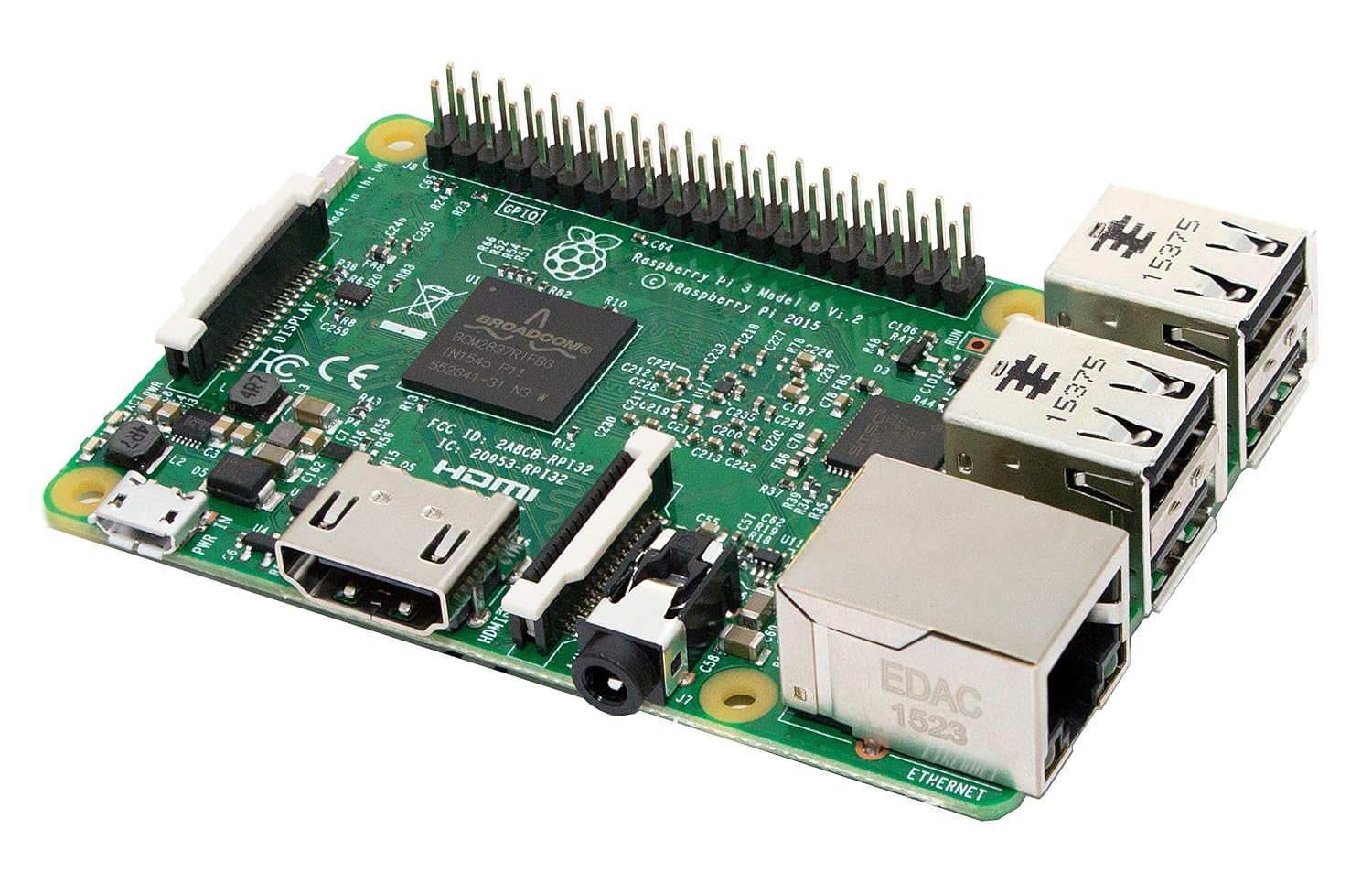
The latest addition to the Raspberry Pi family, the Raspberry Pi 2 combines a sixfold increase in processing power and a doubling of memory capacity with complete backward compatibility with the existing Model B+.
This book contains all you need to know to get started with Rapberry Pi. Learn how to set up, program and complete easy projects - a weather station, music streamer and webcam server are a few of the many project tutorials included.
Raspberry Pi Networking
This resource details an activity where students set up their own network of Raspberry Pis in a classroom, using another machine as their server. As with all of these sorts of activities, it is highly recommended to work through the whoole activity first, downloading the required software ahead of a lesson and...
Raspberry Pi recipe cards
This resource has been developed by the Raspberry Pi Foundation in conjunction with OCR.
The Flashing Light LED Recipe Card explains how to turn an LED into an output device for your Raspberry Pi. The resource guides the learner through the steps required when writing the program to make the...
Rate and extent of chemical change - chemical equilibrium - R2P
This resource provides a lesson plan showing how to use modelling-based teaching to teach about chemical equilibrium. The approach used in the lesson is based on education research which is summarised in a separate research summary document.
The lesson outlines how to use a demonstration of the appearance of...
Rate of Dissolving
These downloadable videos and animations are part of the multimedia package Stuff and Substance, developed by the Gatsby Science Enhancement Programme (SEP). They can be used to develop ideas relating to the factors which affect the rate of dissolving and the particle...